
Quick Answer: What Is a No Collateral Bail Bond?
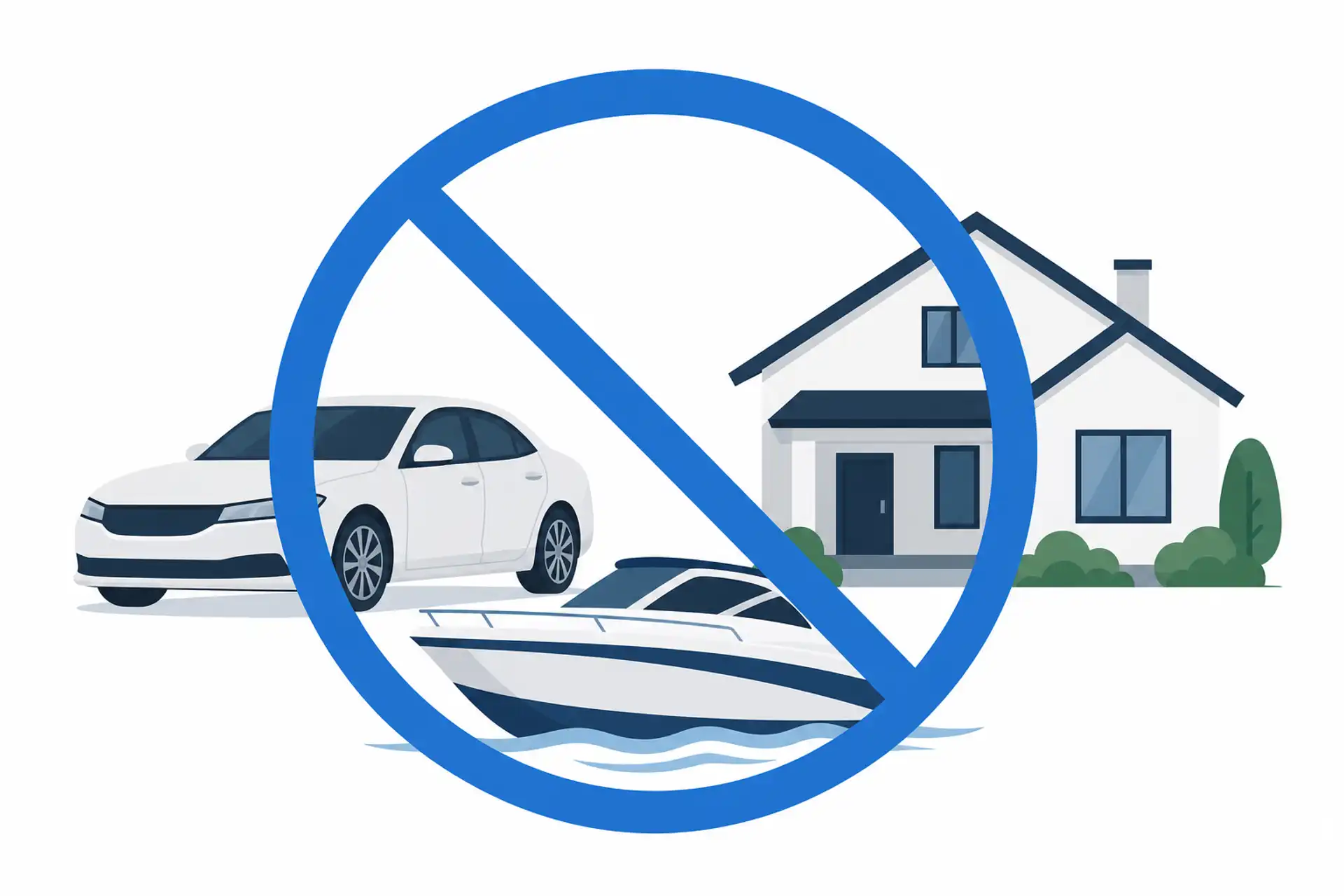
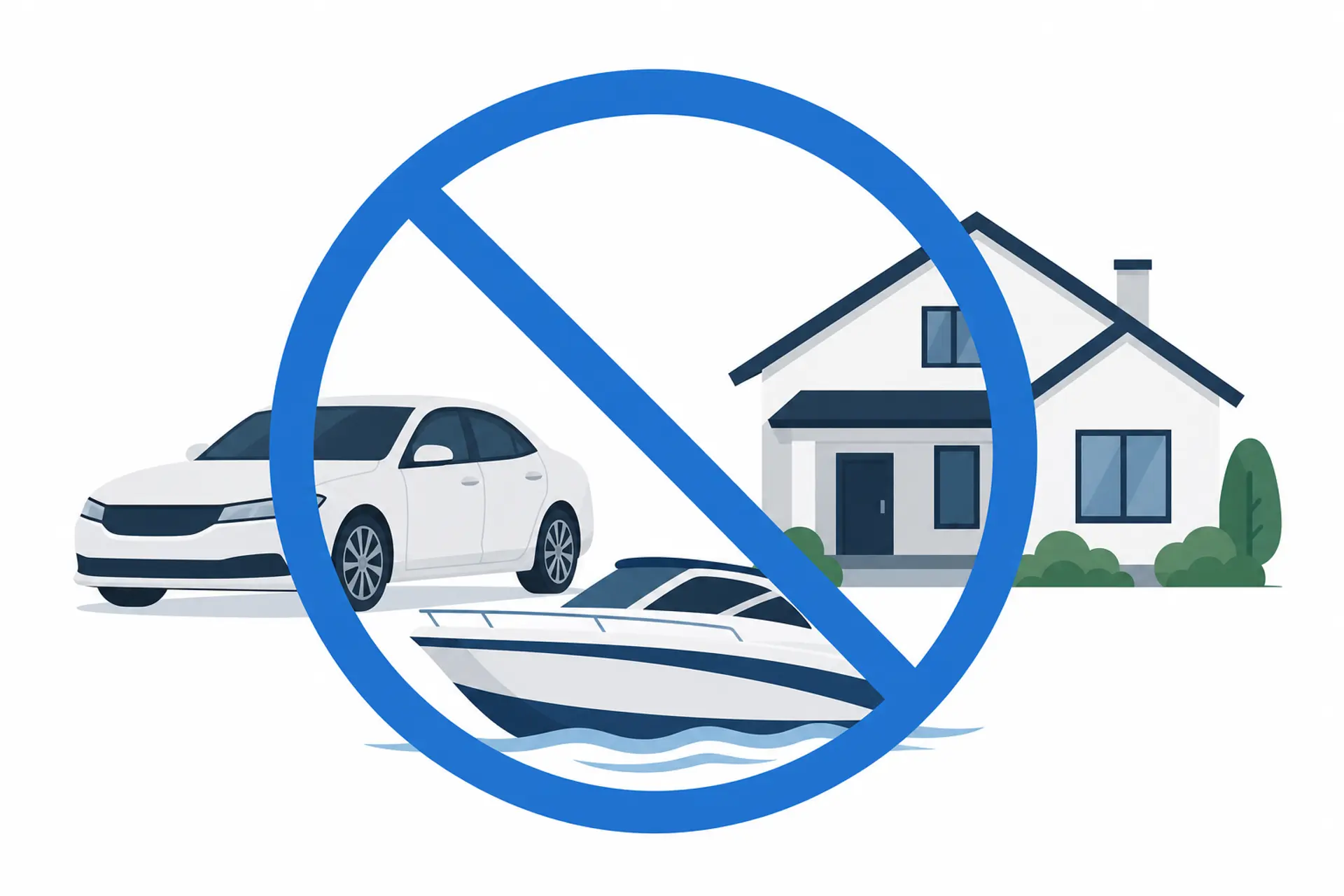
A no collateral bail bond is a Florida surety bond where a qualified co-signer may not need to pledge a house, vehicle, boat, or other valuable property before the bond is posted. Instead, the co-signer may qualify by signing an indemnity agreement and promissory note.
Approval depends on the bail amount, charges, local ties, court history, and the co-signer’s qualifications. No collateral does not mean no responsibility: the defendant must attend every court date, and the co-signer remains responsible under the signed agreement if the defendant fails to appear.
In the Florida bail bond industry, we offer a type of bond called a No Collateral Bail Bond. A no collateral bail bond simply means you are not required to put up real property such as your house, car, boat, or another item of significant value. Instead, a promissory note and indemnity agreement may be used for the full bail amount. This is also commonly called a signature bail bond.
A no collateral or signature bail bond can involve serious responsibility for both the bail bondsman and the indemnitor, also called the co-signer. If the defendant fails to appear in court, the court may forfeit the bond and demand payment of the full bail amount. That is the situation where the full face value of the bond can become an issue.
For that reason, a no collateral bond is never an automatic promise. A licensed bail bond agent reviews the facts of the case, the defendant’s history, the co-signer’s ability to qualify, and the likelihood that the defendant will attend every required court hearing.

How Does a No Collateral Bail Bond Work?
When someone is arrested, a judge may set bail. Bail is the amount required by the court to allow the defendant to be released while the criminal case moves forward. Paying the entire amount directly to the jail is one option, but it can place a major financial burden on a family.
A surety bail bond allows a qualified person to pay a premium to a licensed bail bond agency rather than paying the entire bail amount in cash. The agency then posts the bond through its surety process. The defendant must follow every court requirement, including appearing at all scheduled court dates.
With a traditional collateral bond, the agency may require security such as real estate, a vehicle title, cash, or another approved asset. With a no collateral bond, the agency may accept a qualified indemnitor’s signed promise and indemnity agreement instead of holding an asset at the time the bond is written.
Florida law recognizes promissory notes and indemnity agreements among the forms of security or indemnity that may be accepted in connection with a bail bond. The specific bond decision remains dependent on the circumstances and the agency’s underwriting review. [6]
Important: No Collateral Does Not Mean No Responsibility
A no collateral bail bond may avoid pledging a house, vehicle, or other asset at the beginning of the process. It does not remove the defendant’s duty to appear in court or the co-signer’s responsibility under the agreements signed for the bond. Read every document carefully and ask questions before signing.
A signature bond should be treated like a serious financial commitment. The safest way to protect everyone involved is to make sure the defendant understands every court date and stays in contact with the co-signer and bail bond agent.
How Do I Get a No Collateral Bail Bond?
Now that we know what is commonly referred to as a no collateral bail bond, here are some of the common qualifications. Every bail bond situation is different, but most bondsmen ask similar questions during the initial review.
- Does the defendant have a record of appearing for prior court dates?
- Does the defendant have stable ties to Lake County or the Central Florida area?
- Is there a qualified local co-signer who understands the agreement?
- Can the co-signer provide accurate contact, employment, and residence information?
- Are there any case details or prior failures to appear that create added risk?
If you are a local person in Lake County or the wider Central Florida area, you may have a better chance of qualifying. We commonly offer no collateral bonds to family members and friends who are helping someone through the bail process. Signature bonds are generally less likely to be offered when the co-signer lives out of state, when the defendant has a history of missing court, or when the available information cannot be verified.
At Altman Bail Bonds, Inc., we write many bonds without requiring collateral. After all, most families do not want to risk trouble with a house for a $5,000 bond. We specialize in reviewing situations where another bail bondsman may immediately demand collateral. Approval still depends on the individual facts, but a quick conversation can help you understand the available options.

What the Co-Signer Should Know
The indemnitor, or co-signer, is often a parent, spouse, relative, or close friend. This person helps the defendant secure release and signs documents that explain the financial responsibility connected to the bond. Before agreeing to co-sign, make sure you know the defendant’s court schedule, how to reach them, and whether they have reliable transportation and support.
The co-signer should also understand that a defendant’s release is conditional. The defendant must appear in court, comply with court-ordered conditions, and promptly communicate if there is a legitimate issue involving a scheduled appearance. Missing court can create urgent consequences, including a warrant and possible bond forfeiture.
Do not rely on assumptions or verbal promises alone. Ask the bail bond agent to explain the premium, payment arrangements, co-signer obligations, court appearance expectations, and what to do if you lose contact with the defendant. A professional agent should give you the information needed to make an informed decision.
No Collateral Bail Bonds in Lake County
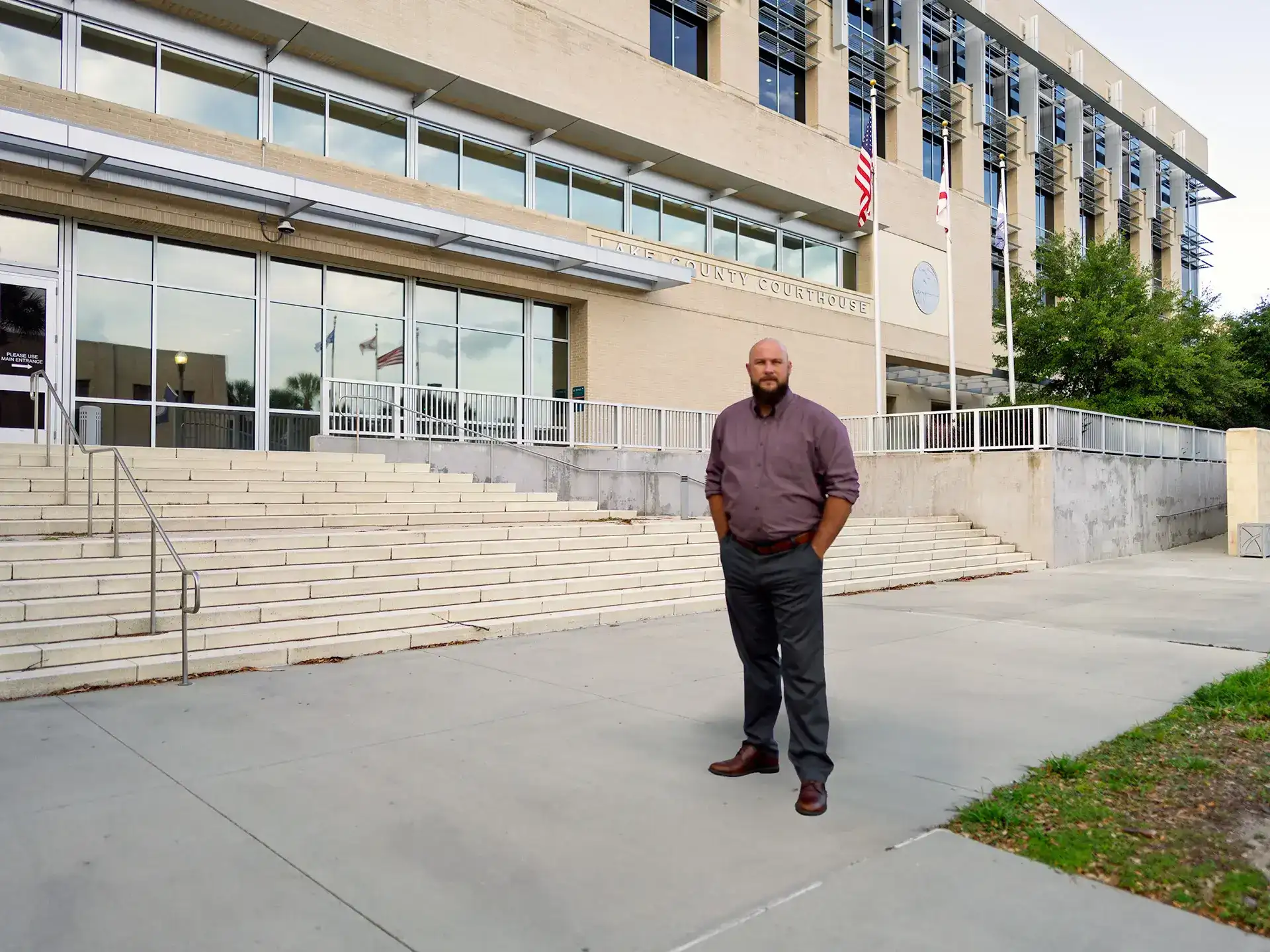
Altman Bail Bonds serves clients who need help with bail bonds in Tavares, Clermont, Bushnell, and surrounding Central Florida communities. Tim Altman has been licensed as a Florida limited surety agent since 1999 and has worked with more than 10,000 Central Florida clients. The office is located at 801 W Main Street in Tavares, near the Lake County Jail, and assistance is available 24 hours a day. [5]
Call (352) 343-6090 today to discuss whether a no collateral bail bond may be available for your situation. Be prepared to provide the defendant’s full name, date of birth, jail location, charges when known, and the approximate bail amount. Having accurate information helps the qualification process move faster.
Bail Bond Agent Tim Altman is a full-time bail bondsman with decades of Central Florida experience. Our Tavares bail bond agency is committed to fast, knowledgeable, and professional service when families need clear answers during a stressful time.